
Ultrasonic Antifouling for
Yachts and Super Υachts
DBPI® ultrasonic antifouling for yachts and superyachts
KEEP PERFORMANCE ON COURSE
Help prevent marine growth on propellers, thrusters, seawater systems and cooling equipment. Reduce fouling-related cleaning and support reliable onboard operation. Preserve efficiency.
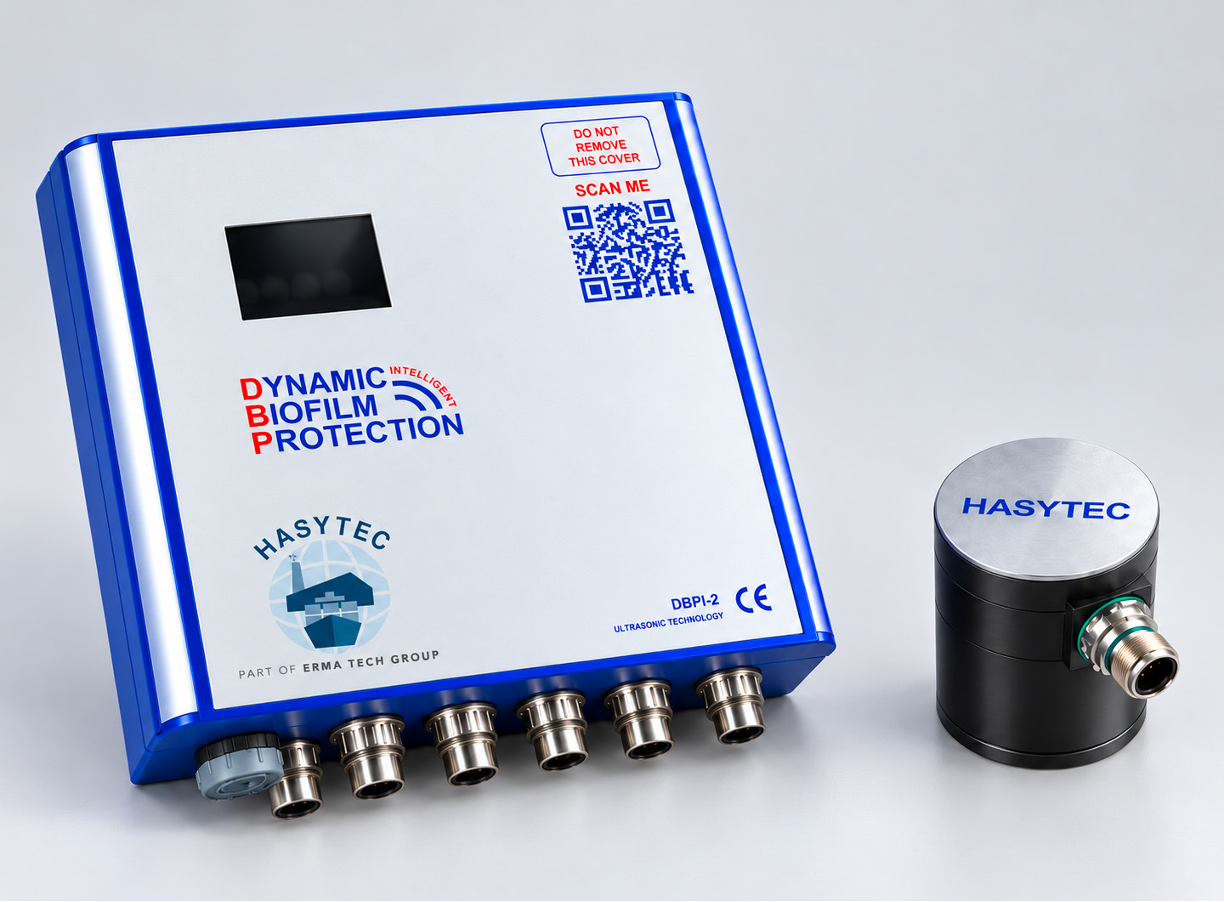
How DBPI® helps protect your yacht
HASYTEC’s DBPI® system uses ultrasonic technology to help prevent marine growth from attaching to essential equipment on yachts and superyachts. Small transducers mounted on the dry side of suitable components transmit ultrasonic energy through the structure to surfaces in contact with seawater.
The system operates continuously, helping to keep treated equipment cleaner for longer. This can reduce fouling-related cleaning, support cooling and propulsion efficiency, and help keep essential systems ready when you need them.
Ultrasonic Hull Protection
A cleaner hull. Less maintenance. No biocidal antifouling paint.
An innovative, biocide-free alternative to conventional antifouling paint for steel and aluminium yachts.
DBPI Hull Protection system uses ultrasound to prevent biofilm formation and marine growth on underwater hull surfaces, helping yachts maintain a clean hull without conventional biocidal antifouling coatings.
Designed for newbuilds and refits, the system provides continuous protection, even when the yacht is anchored or moored.
By minimizing hull fouling, the system helps preserve hydrodynamic performance, reduce drag and maintain fuel efficiency. It also minimizes the need for frequent hull cleaning and associated maintenance, while reducing the environmental impact of traditional antifouling treatments.
-
Biocide-free protection: Eliminates the need for conventional biocidal antifouling paint and its associated environmental impact.
-
Reduced maintenance: Minimizes hull cleaning, repainting and related shipyard activities.
-
Improved efficiency: A cleaner hull reduces resistance, supporting fuel efficiency, speed and range.
-
Continuous operation: Protects the hull 24/7, including during extended periods in marinas or at anchor.
-
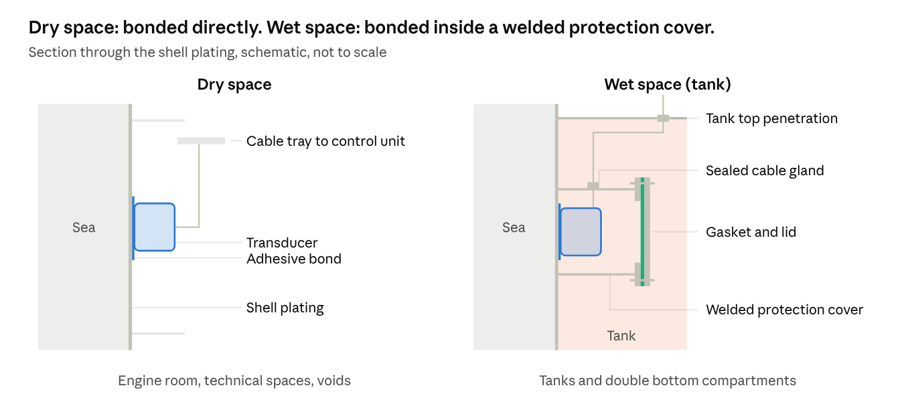
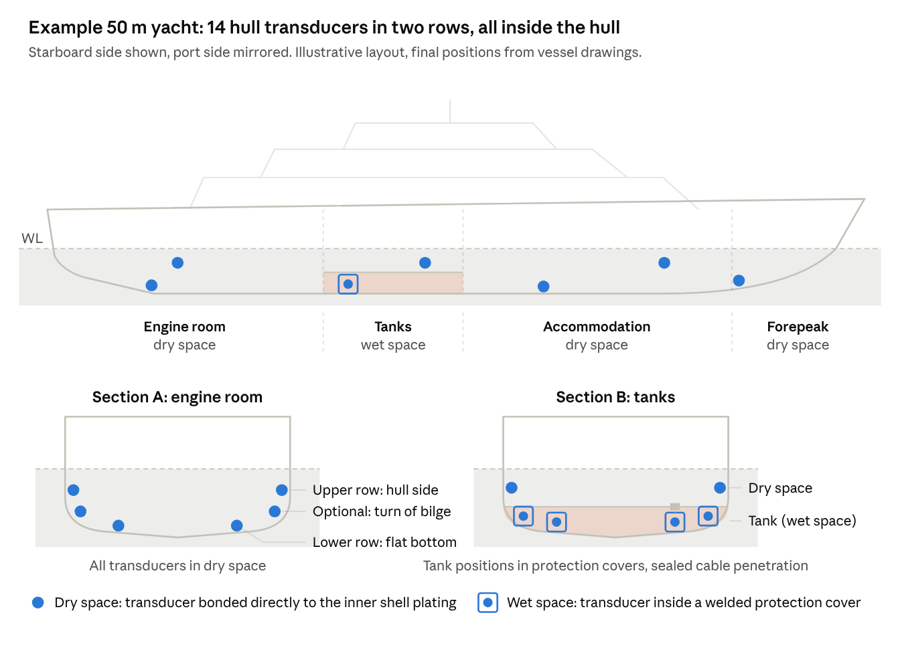
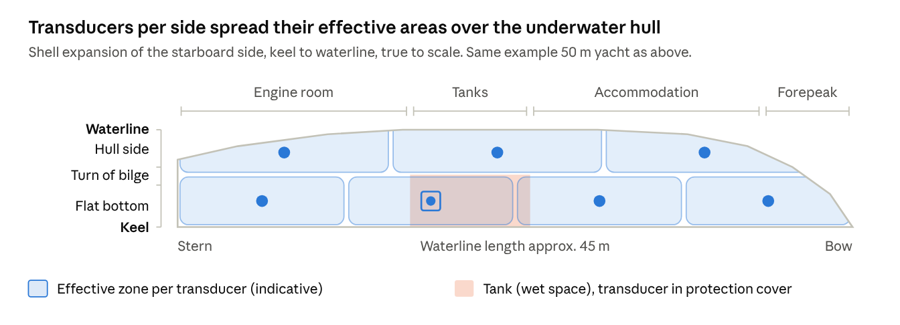
Internal installation: Ultrasonic transducers are installed inside the hull, with no external components.
Applications
Indicative System Sizing
|
Yacht length (LOA)
|
Hull transducers
|
Control units
|
|---|---|---|
|
20–30 m
|
4–6
|
1
|
|
30–40 m
|
6–10
|
1
|
|
40–50 m
|
10–14
|
1
|
|
50–60 m
|
14–18
|
1–2
|
|
60–80 m
|
18–32
|
2
|
|
80–100 m
|
32–50
|
2–4
|
|
Over 100 m
|
Project-specific
|
Project-specific
|
Βiofouling can affect much more than a yacht’s visible underwater surfaces.
Marine growth can also develop inside seawater intakes, cooling circuits and other essential equipment, restricting flow, reducing heat transfer and increasing maintenance requirements. HASYTEC’s DBPI ultrasonic antifouling technology helps inhibit the initial attachment and establishment of biological fouling on treated components. Configured around each yacht’s equipment and system layout, it supports propulsion efficiency, reliable cooling and reduced fouling-related maintenance.

Other Key Application Areas Where DBPI® Delivers Value
1.Propellers & Shaft lines
Helps limit marine growth on treated propellers and exposed stern gear components, supporting propulsion efficiency and reducing cleaning requirements.
Biofouling on propeller blades and hubs can increase surface roughness and hydrodynamic losses, contributing to reduced propulsion efficiency and increased fuel demand over time.
2. Cooling & air conditioning
Engine, generator and auxiliary coolers; heat exchangers, box coolers and A/C seawater loops. Helps preserve heat transfer and cooling capacity.
Fouling within the seawater cooling circuit can increase pressure losses, reduce heat-transfer efficiency and progressively reduce available cooling
3. Seawater intake and distribution
Sea chests, coupled gratings, strainers, filters and metallic distribution lines. Helps maintain flow and reduce fouling-related maintenance.
Sea chests are critical interfaces between surrounding seawater and essential onboard systems. Biofouling can reduce the available flow area and increase the fouling load on downstream cooling and auxiliary systems.
4. Watermakers & auxiliaries
Suitable watermaker intake and pretreatment components, plus fire-fighting intakes, ballast pipework and scrubber circuits where fitted.
Biological growth in the intake, pre-filtration and upstream piping can increase maintenance demand before seawater reaches the reverse-osmosis stage.
5. Thrusters, pods & waterjets
Treats suitable tunnels, housings and connected structures to help preserve flow and maneuvering performance.
6. Custom treatment zones
Rudders, stabilizer housings, recessed structures, RO modules, sanitary flushing and pool/spa circuits require individual assessment and validation.
Biofouling on rudders increases surface roughness and can adversely affect the hydrodynamic condition of the steering surface.
Actual installation photos
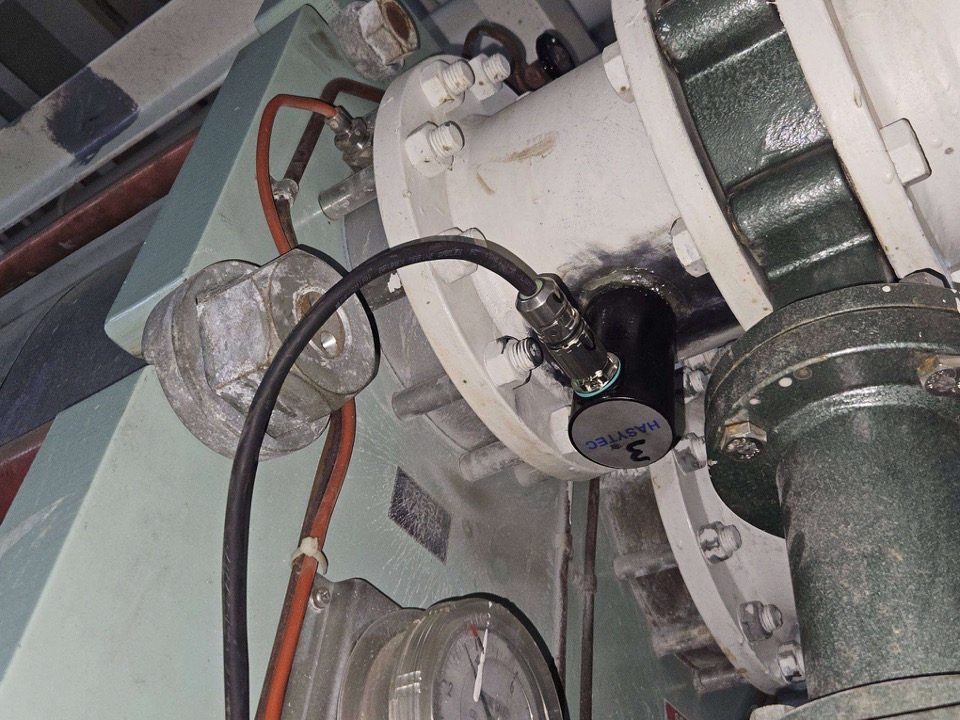
Seawater cooling / LT Coolers
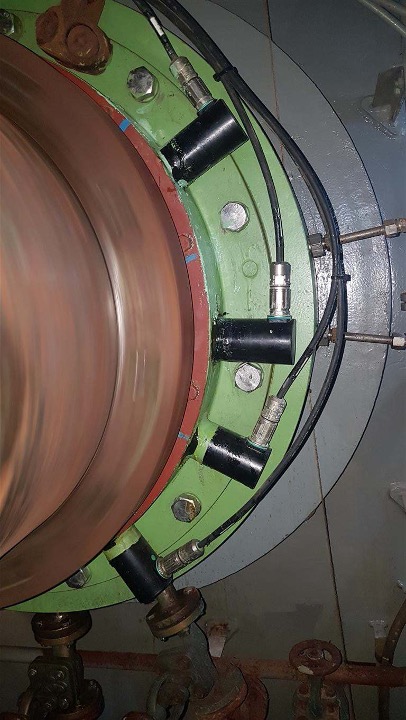
Shaft line/propeller protection
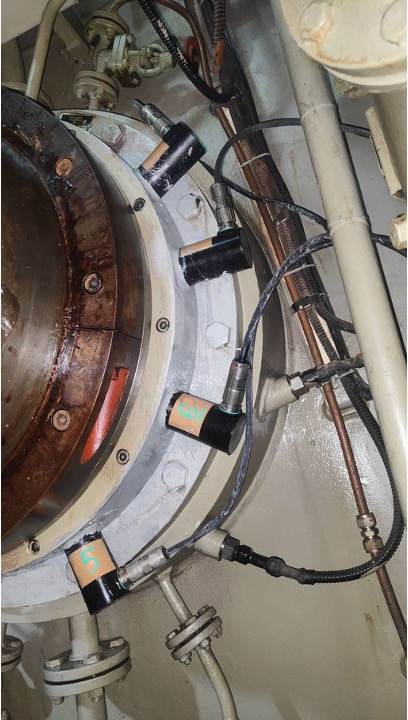
Shaft line/propeller protection
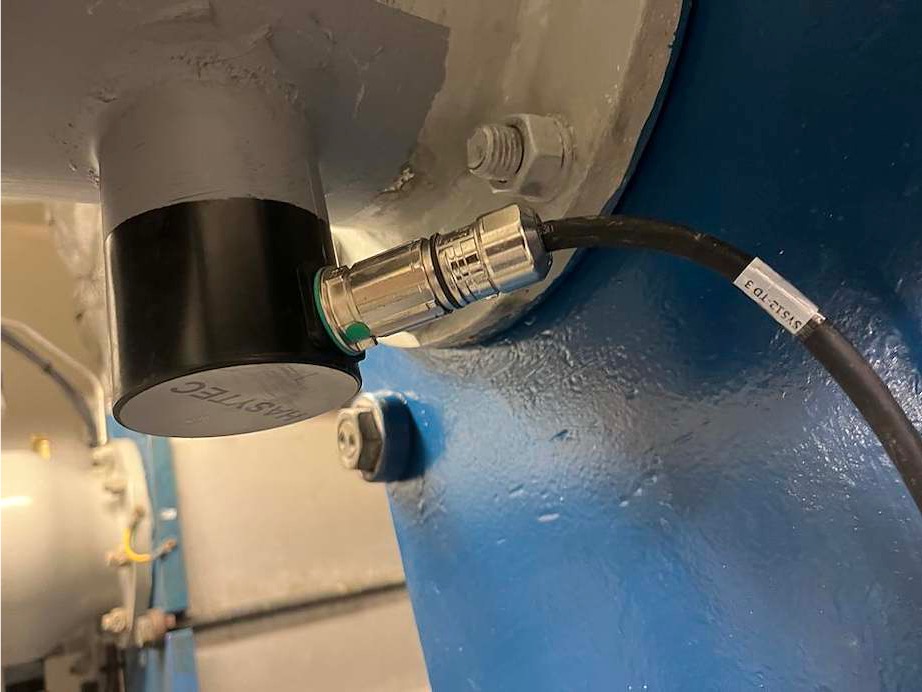
Seawater cooling – LT Coolers
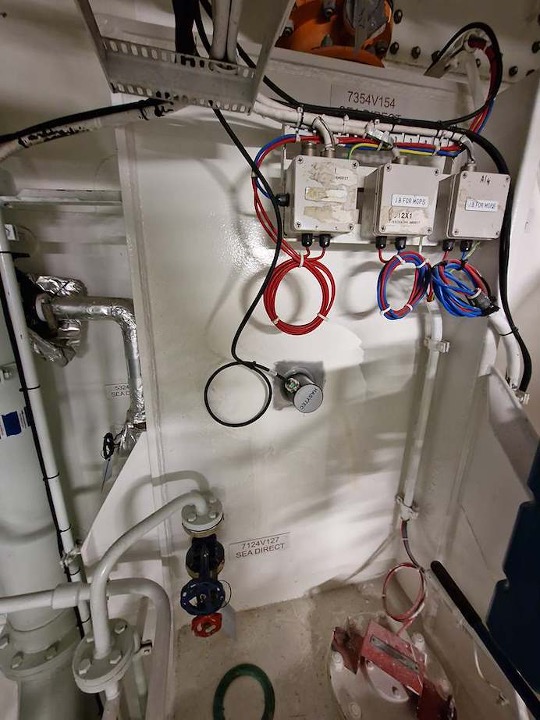
Seachest protection
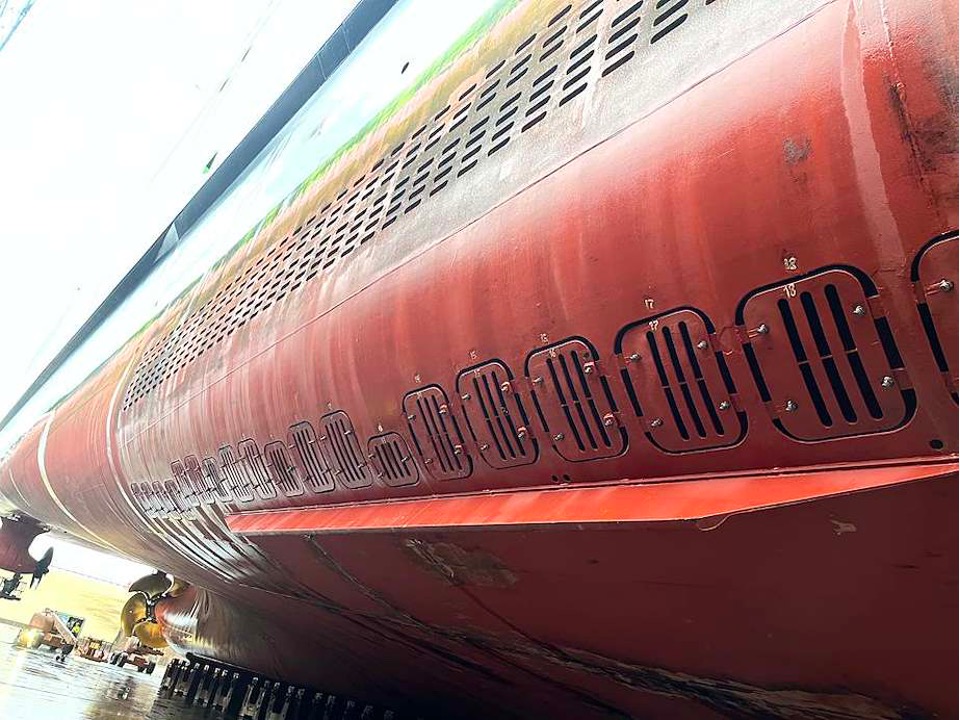
Seachest opening (gratings/grids)
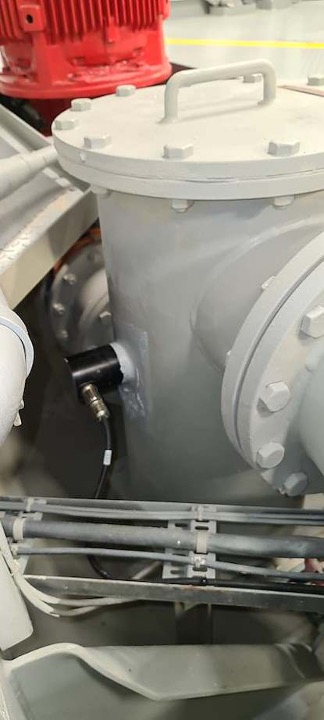
Seawater supply protection
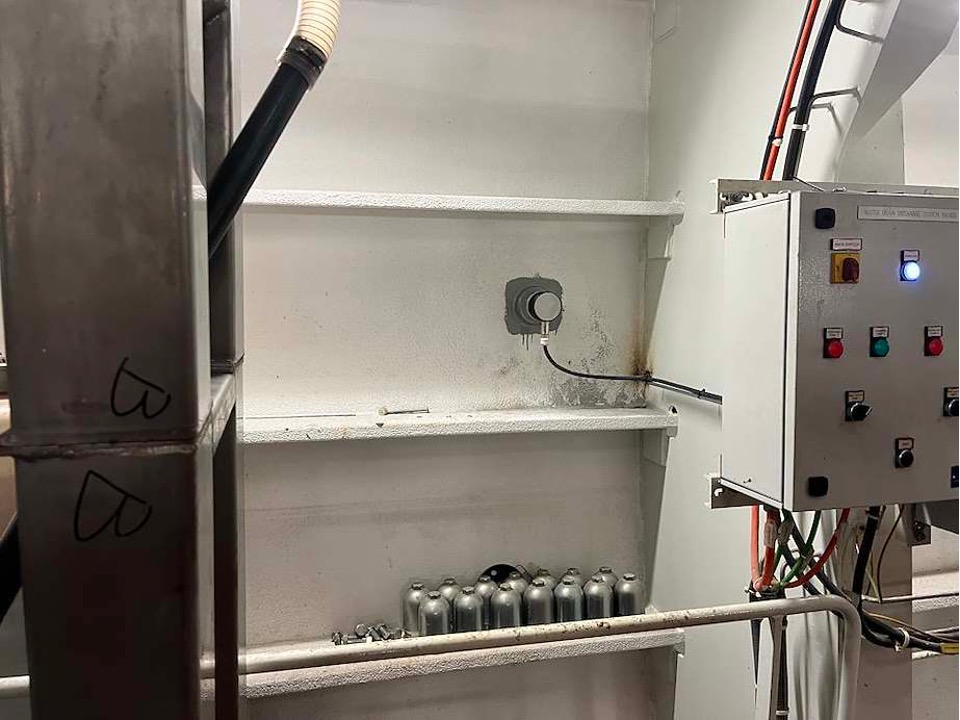
Hull protection: transducers installed in Engine Room
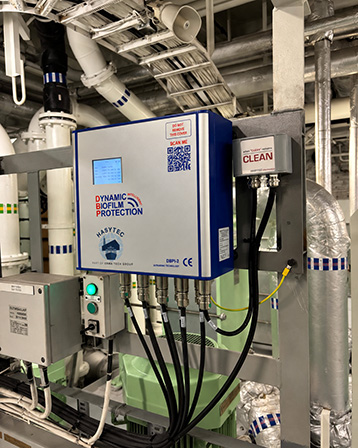
Control Panel
Configured for your yacht
Each installation is sized around the components being treated, their dimensions, materials and acoustic connections. Continuous preventive operation helps limit the establishment of fouling; existing growth may require conventional cleaning.
Contact us
to discuss your yacht’s antifouling requirements

Environmental Protection Engineering (EPE), established in Piraeus in 1977, offers a complete range of environmental protection products and services, including emergency response services for oil and chemical spills. EPE has successfully responded to more than two thousand pollution incidents with state-of-the-art equipment and highly trained and experienced personnel.